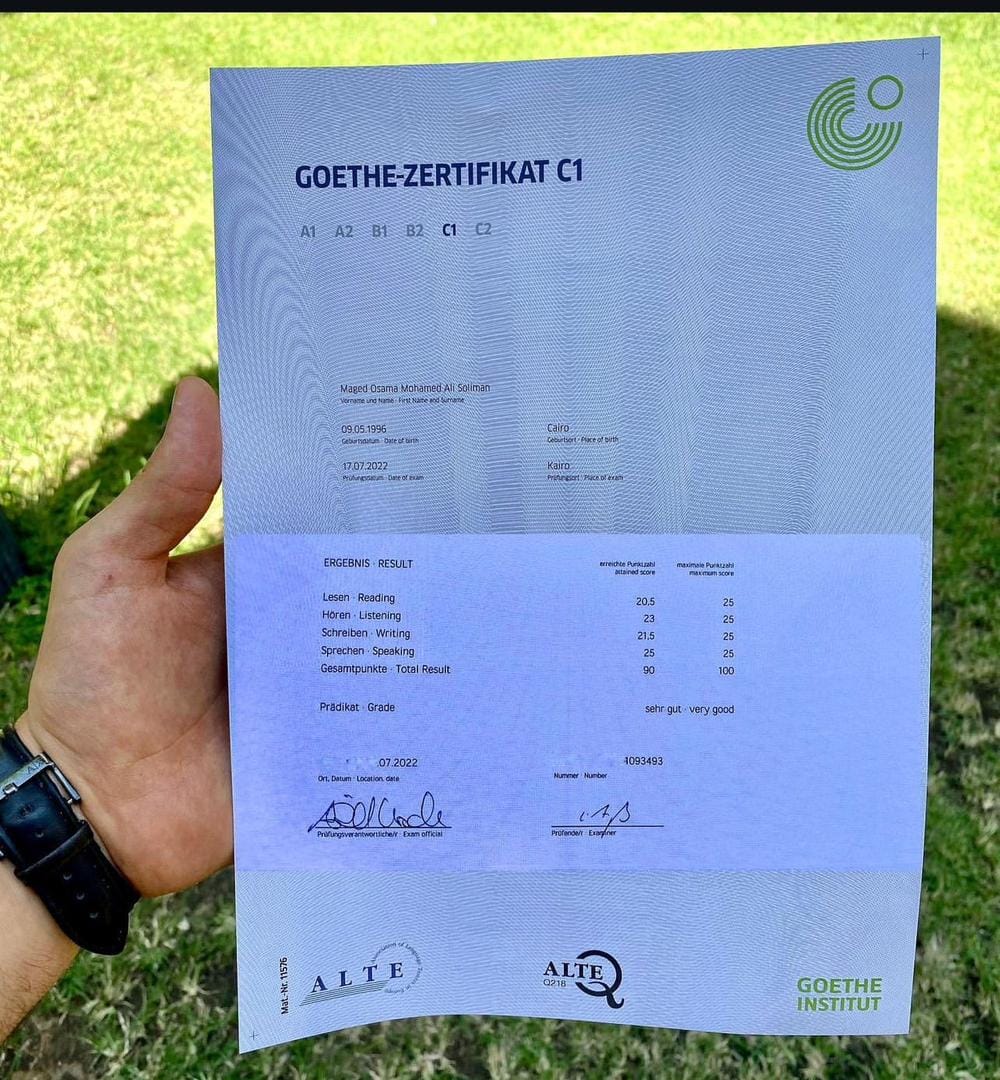
10 Things We All Love About B1 Language Certificate


Understanding the B1 Language Certificate: A Comprehensive Guide
In today's globalized world, the capability to interact in multiple languages is significantly important. For those seeking to prove their English language efficiency, the B1 Language Certificate serves as an important credential. This guide provides an in-depth exploration of the B1 Language Certificate, its requirements, advantages, and how it suits the broader context of language learning.
What is the B1 Language Certificate?
The B1 Language Certificate is an official file that verifies a person's intermediate efficiency in English, as defined by the Common European Framework of Reference for Languages (CEFR). The B1 level represents that a student can:
- Understand the bottom lines of clear standard input on familiar matters typically come across in work, school, leisure, and so on.
- Offer with most circumstances likely to emerge while traveling in an area where the language is spoken.
- Produce easy linked text on topics that are familiar or of personal interest.
- Explain experiences, occasions, dreams, hopes, and ambitions, along with briefly discuss reasons and viewpoints.
Attaining a B1 certificate shows a solid foundation in English, typically fulfilling requirements for various scholastic programs, work chances, and immigration procedures.
Kinds Of B1 Language Certificates
There are numerous organizations that offer B1 Language Certificates, each with its own testing format and evaluation criteria. Below is a table that lays out a few of the most recognized B1 certifications:
| Certification | Organization | Test Format | Duration |
|---|---|---|---|
| Cambridge English: B1 | Cambridge Assessment | Checking out, Writing, Listening, Speaking | 3 hours |
| TOEFL Junior | ETS | Reading, Listening, Speaking | 2 hours |
| IELTS (General Training) | British Council/IDP | Reading, Writing, Listening, Speaking | 2 hours 45 minutes |
| Trinity GESE Grade 5 | Trinity College London | Speaking, Listening, Writing | 30 minutes |
| Pearson Test of English | Pearson | Reading, Writing, Listening, Speaking | 2 hours |
Preparing for the B1 Language Certificate
Preparation for the B1 exam includes improving abilities in four essential areas:
- Reading: Practicing understanding strategies and checking out different texts, consisting of articles, advertisements, and easy literature.
- Composing: Learning to structure essays, individual letters, and e-mails. Practice arranging ideas coherently and using correct grammar.
- Listening: Improving the ability to understand spoken English through podcasts, audiobooks, and discussions.
- Speaking: Engaging in discussions, role-plays, and conversations to get confidence and fluency in spoken communication.
Recommended Study Materials
| Resource Type | Examples |
|---|---|
| Textbooks | "English Vocabulary in Use B1", "Grammar for English Language Teachers" |
| Online Courses | Sites like Duolingo, Babbel, and Coursera |
| Practice Tests | Cambridge, ETS, British Council sites |
| Apps | Quizlet, HelloTalk, and memrise |
Research study Tips
- Create a Study Schedule: Allocate specific times every day or week for dedicated research study sessions.
- Join Language Groups: Engage with peers in conversation clubs or online forums to practice speaking.
- Usage Technology: Leverage language discovering apps and resources to make studying interactive and efficient.
- Employ Real-life Scenarios: Practice language usage by taking part in everyday activities, such as shopping or purchasing food.
Advantages of Obtaining a B1 Language Certificate
Securing a B1 Language Certificate provides several benefits that extend beyond the instant scholastic or expert needs:
- Career Opportunities: Many employers see a B1 accreditation as proof of a candidate's English efficiency, which can cause much better job chances.
- Educational Access: Universities typically require evidence of English proficiency for non-native speakers, and a B1 certificate can fulfill these criteria for different programs.
- Travel and Immigration: For visa applications, proof of language proficiency at the B1 level might be required, assisting to assist in the process.
- Personal Development: Achieving accreditation can enhance self-confidence in utilizing the language, promoting higher engagement with English-speaking cultures.
- Pathway to Higher Levels: A B1 accreditation lays the foundation for progression to higher-level certifications, such as B2 or C1.
Regularly Asked Questions (FAQ)
1. How long does it require to get ready for the B1 Language Certificate?
The time needed to prepare differs based on individual efficiency and study routines. Usually, a devoted trainee might require 3-6 months of consistent practice to feel confident at the B1 level.
2. What is the passing rating for the B1 tests?
Each evaluation body has its scoring requirements. Normally, a passing rating is around 60%-70% depending upon the test. Deutsch Zertifikat B1 is a good idea to inspect the particular requirements from the licensing organization.
3. Can I take the B1 exam online?
Some testing companies offer online assessments. Nevertheless, others may need in-person testing at designated assessment centers. Deutsch Zertifikat B1 to speak with the respective organization's site for accurate info.
4. Is a B1 certificate legitimate for life?
Many companies do not time-limit their B1 certificates. However, some institutions may ask for a more existing certificate if you are using it for scholastic or expert purposes after a specific period.
5. How typically are B1 examinations used?
The frequency of B1 exams depends upon the accrediting company and place. Usually, they are carried out several times a year, but it is recommended to check the specific schedules with the appropriate examination body.
The B1 Language Certificate serves as a gateway to various chances in education and work while cultivating personal advancement in language abilities. By comprehending the exam structure, preparing successfully, and acknowledging the advantages of certification, individuals can utilize this credential to enhance their individual and expert journeys. Whether the objective is to take a trip, work, research study, or merely get self-confidence in utilizing the English language, achieving the B1 accreditation can be a substantial milestone in the language discovering process.